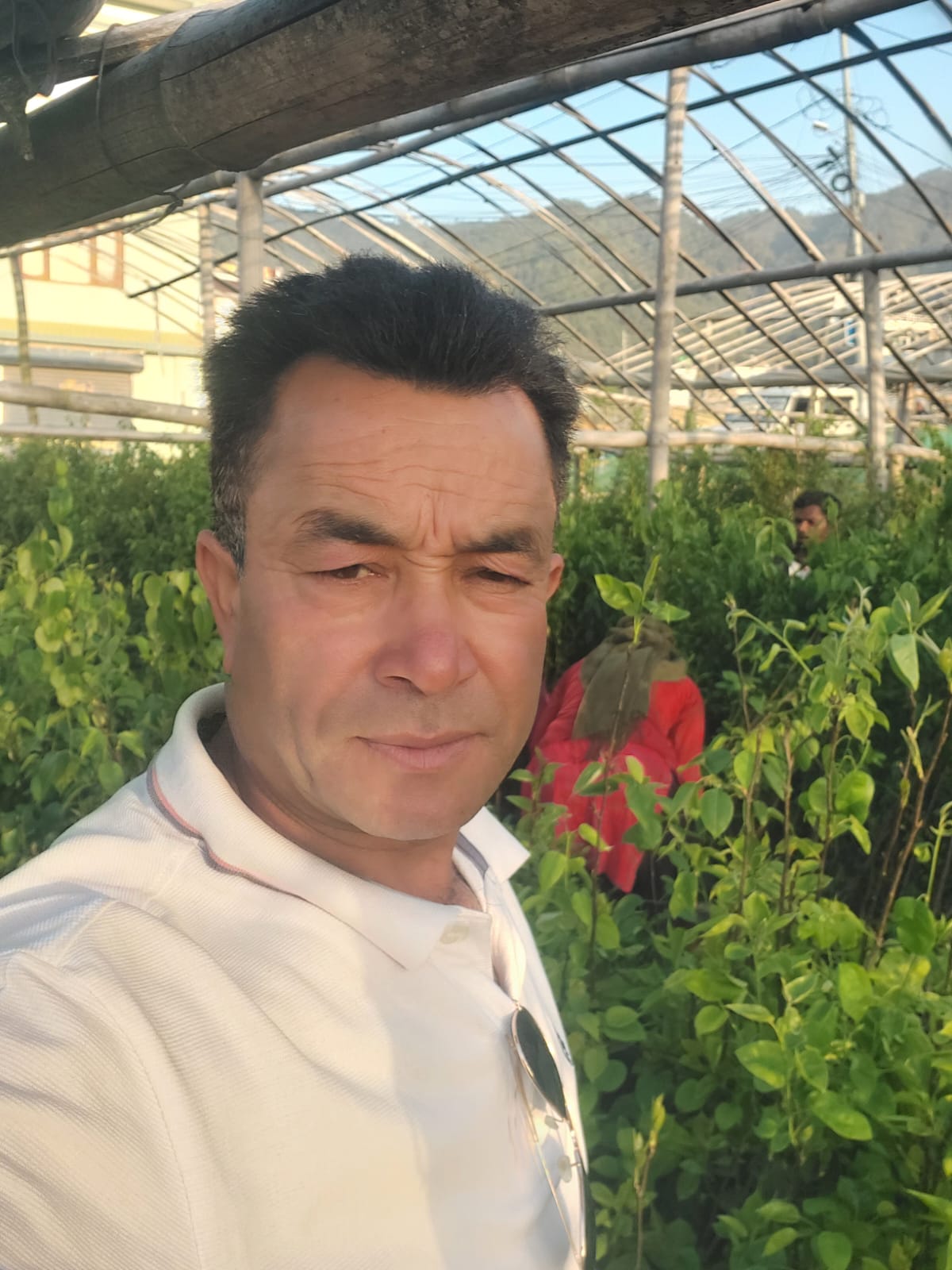
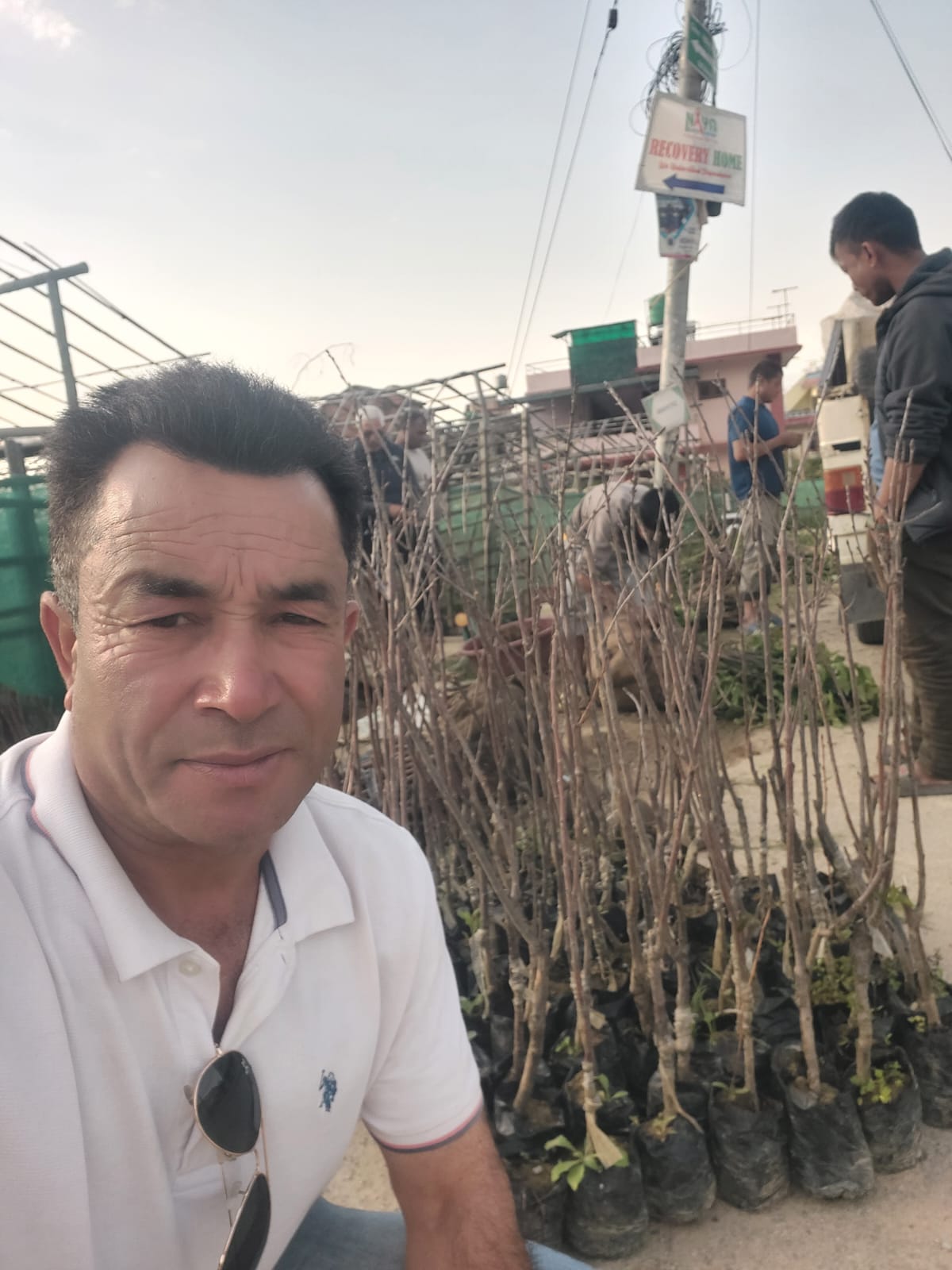
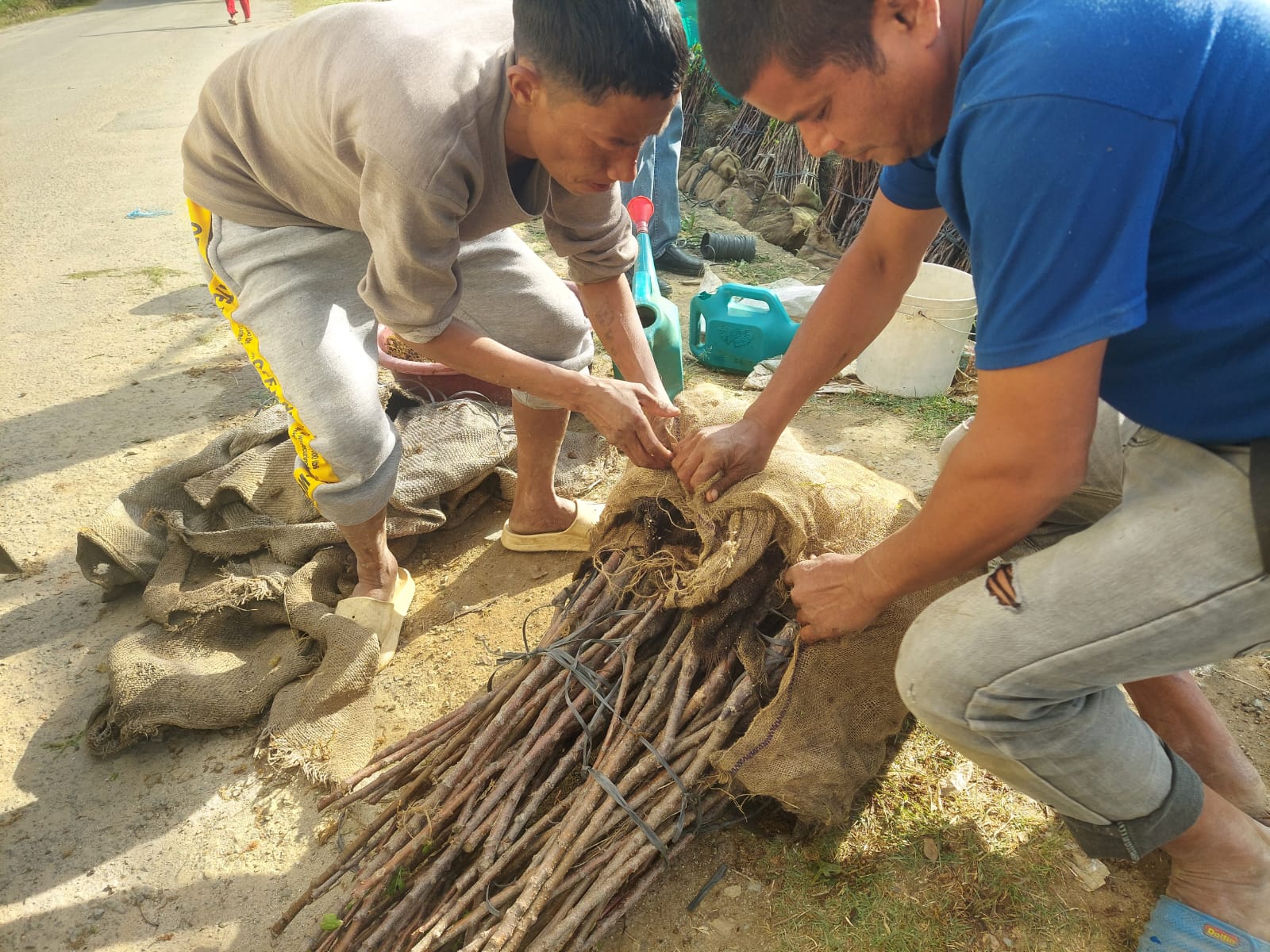
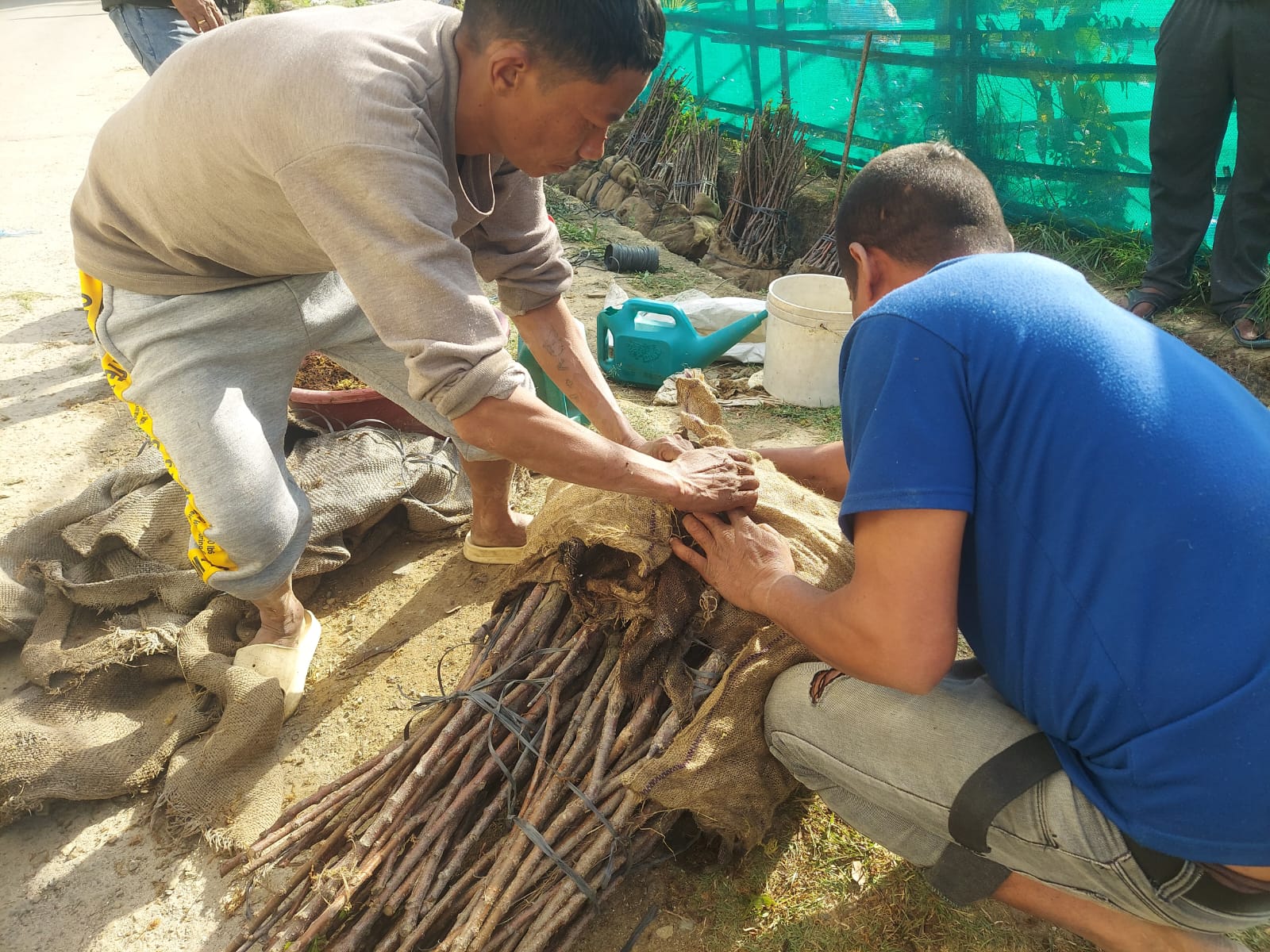
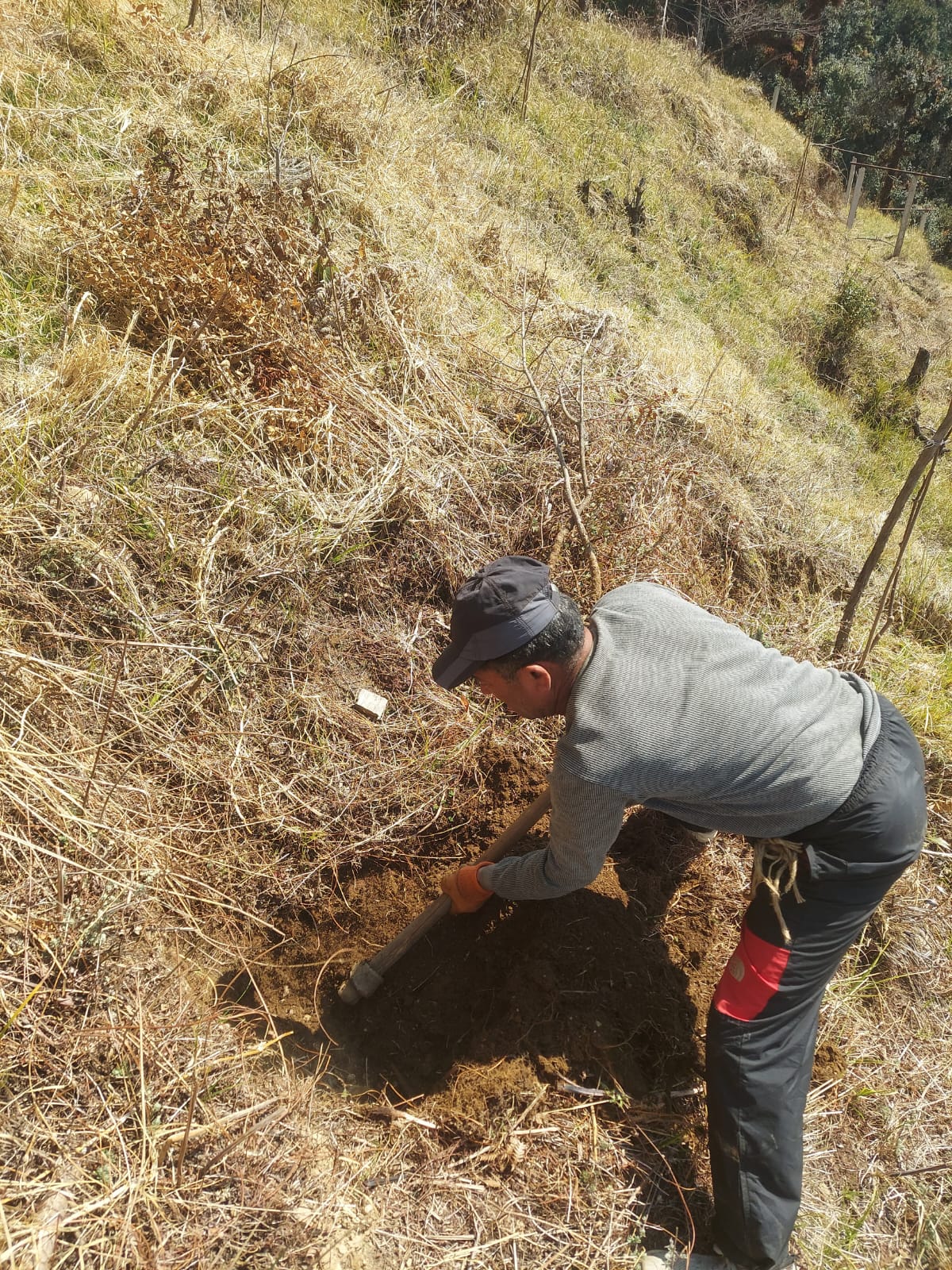
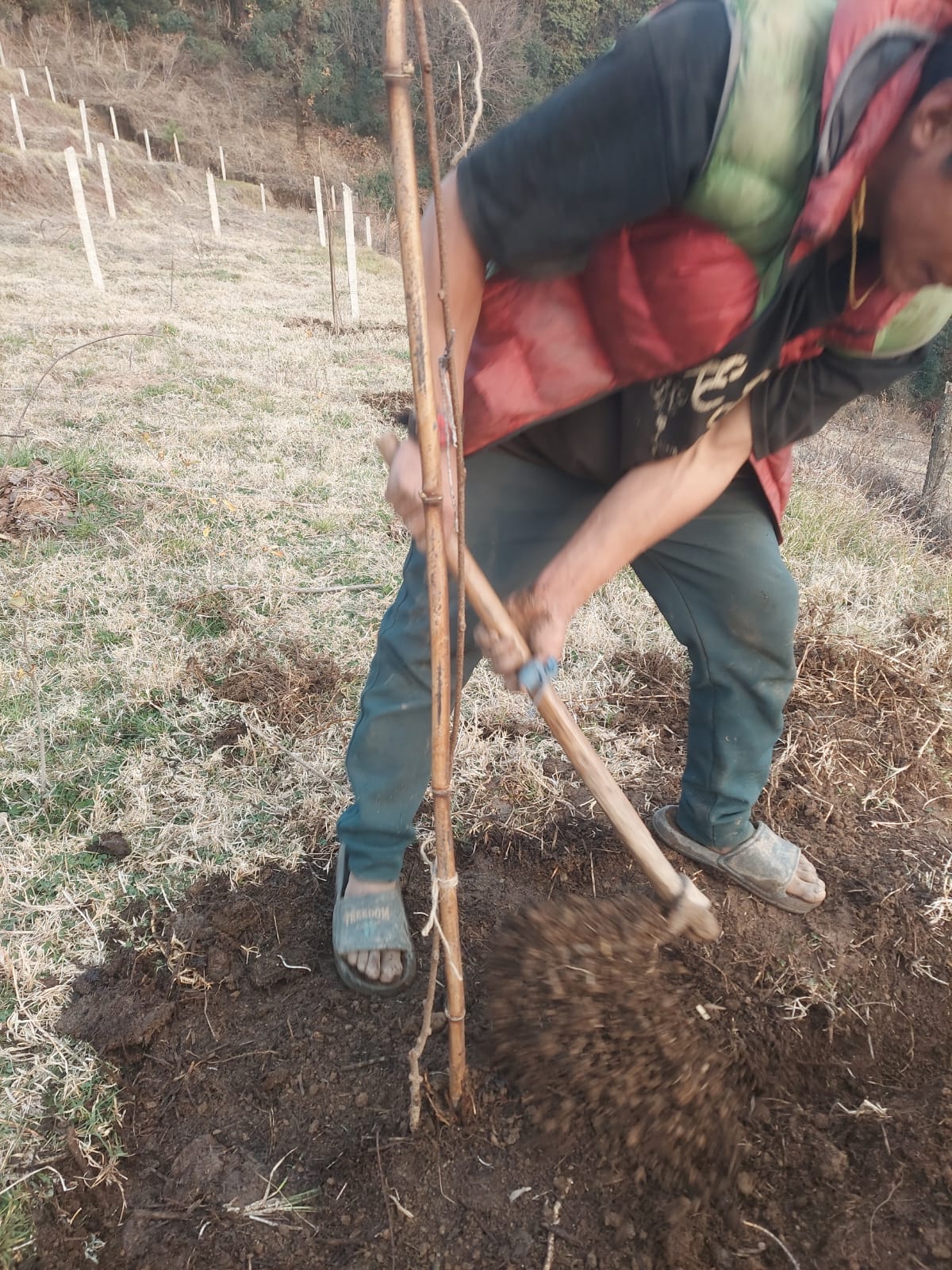
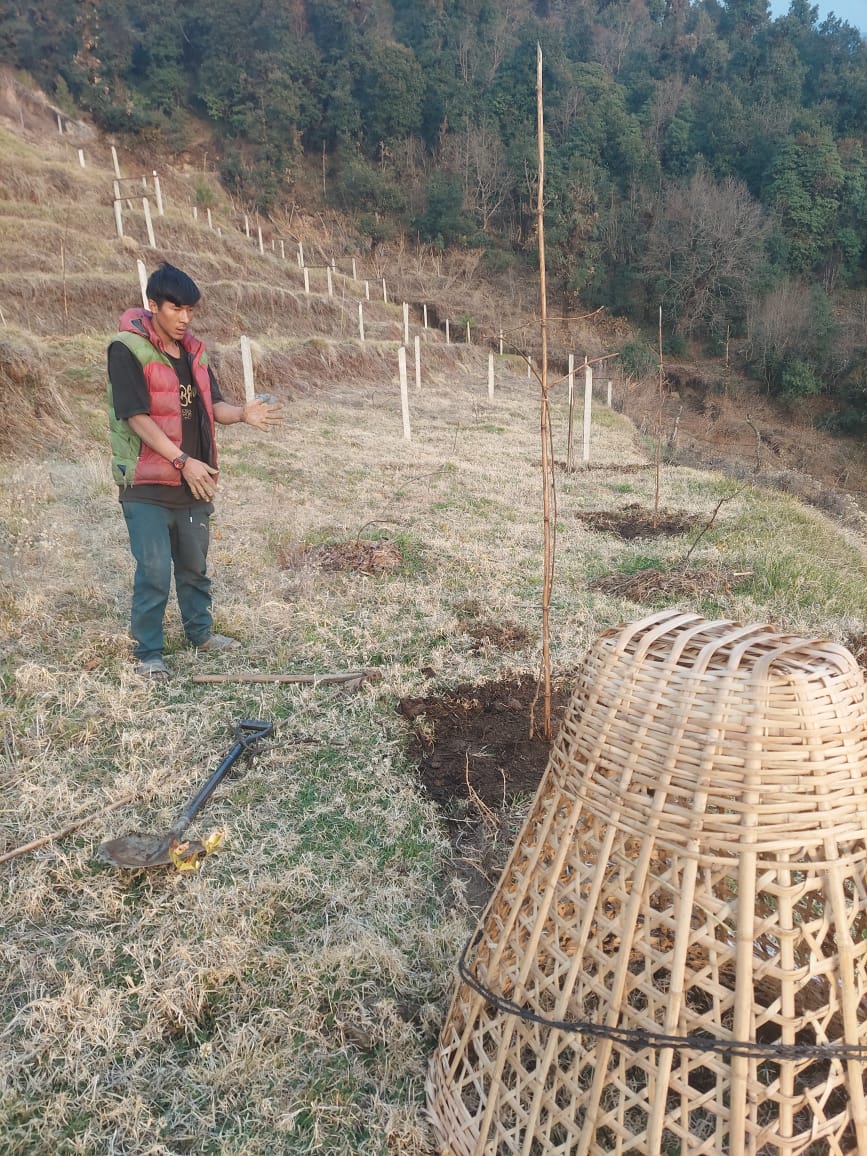
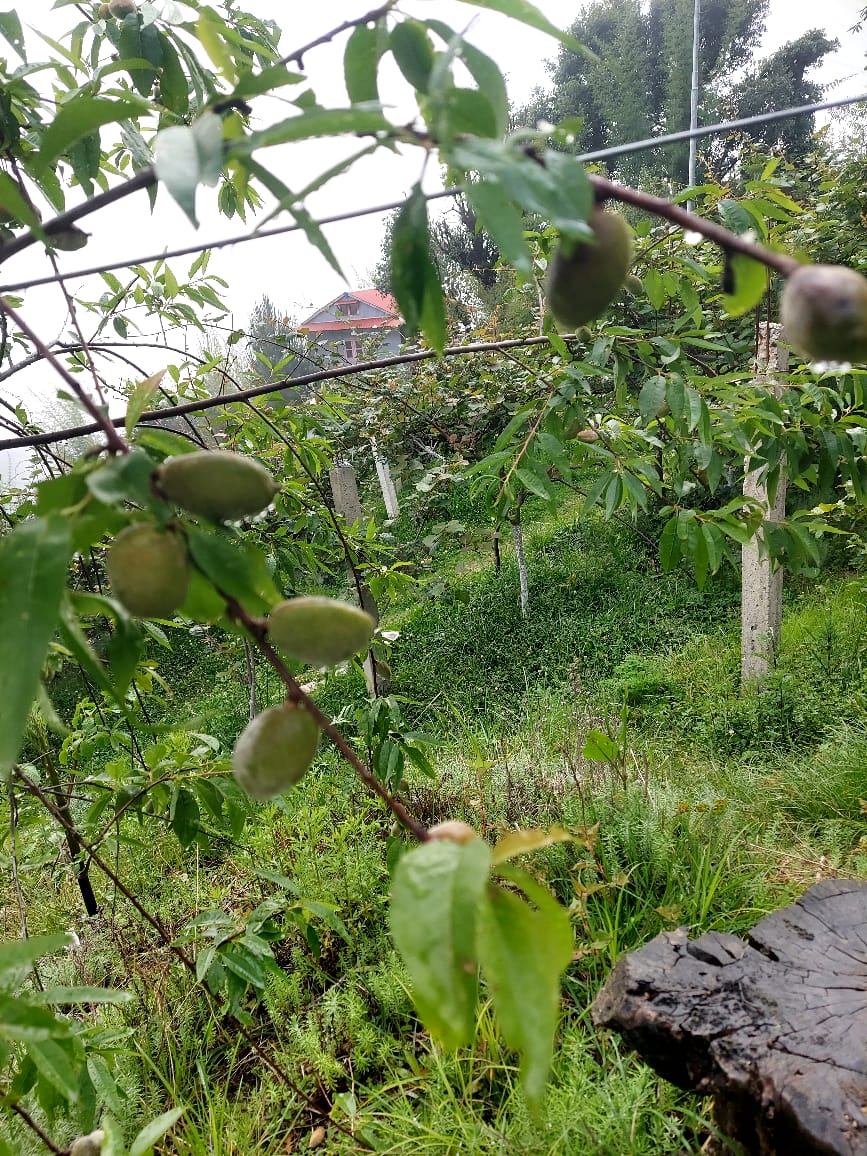
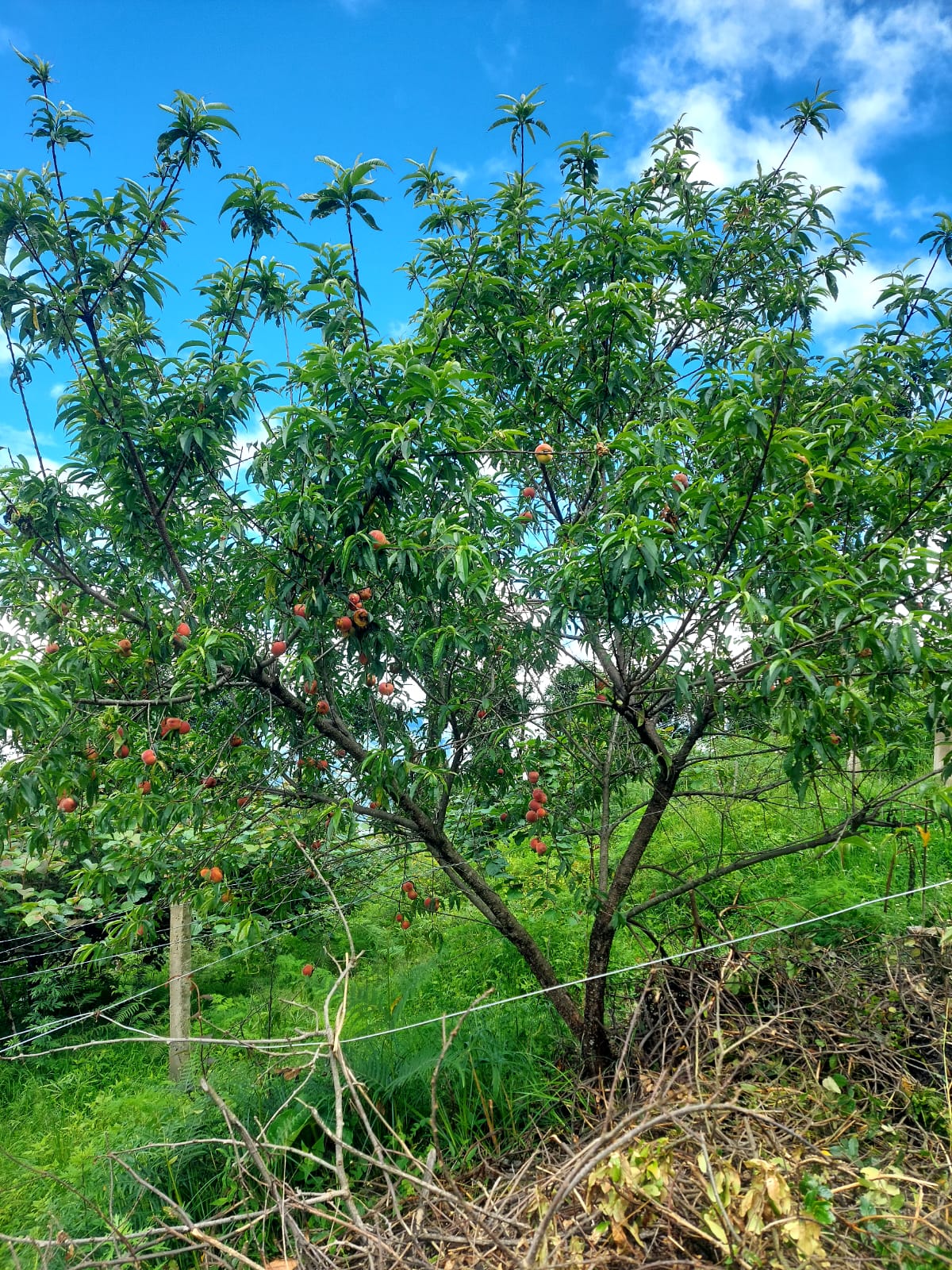
👨🌾 Dabal Bahadur Basnet joined the army at just 19, serving for 17 years before returning home in 2013. He came back to his ancestral land in Airmakhue, where his family has farmed terraced hillsides for over 300 years across 3,700 acres. His dream was to reforest his land and create a self-sufficient, sustainable farming system for the future.
🌱 Bhussinga Plantation – Nepal
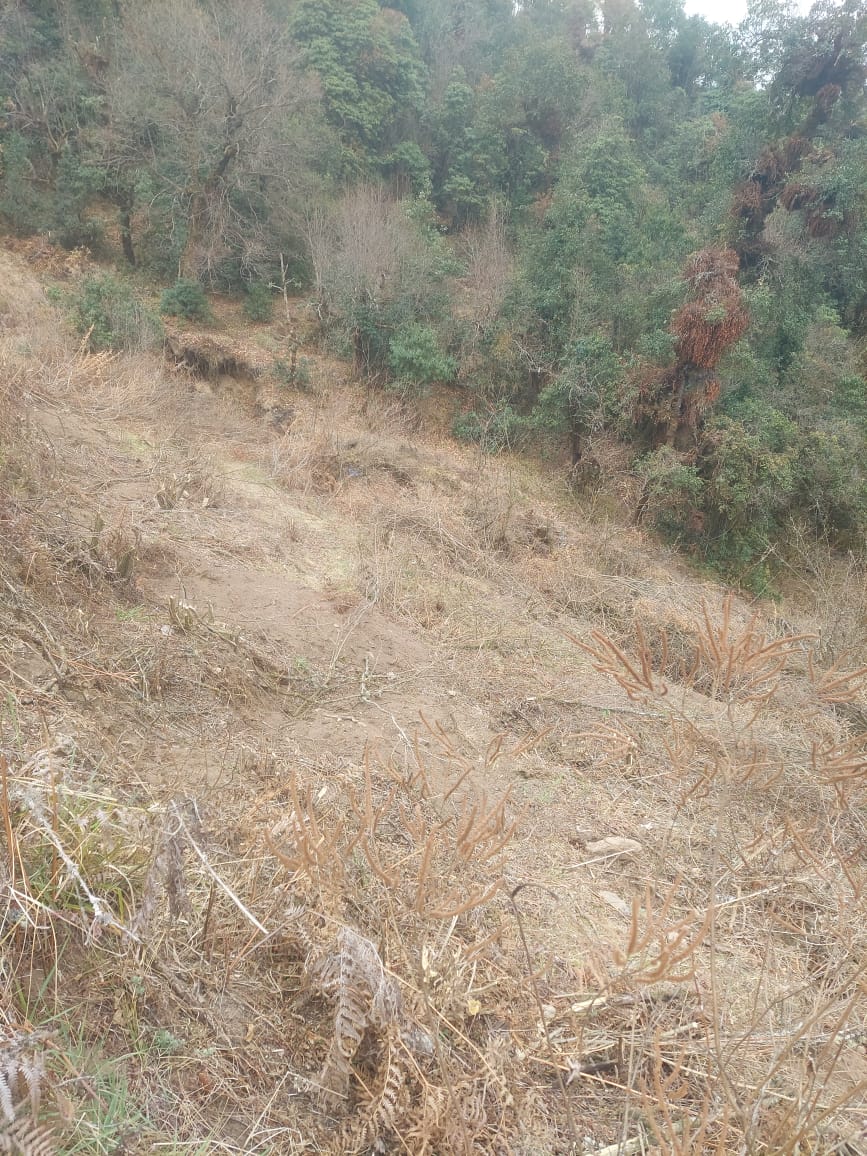
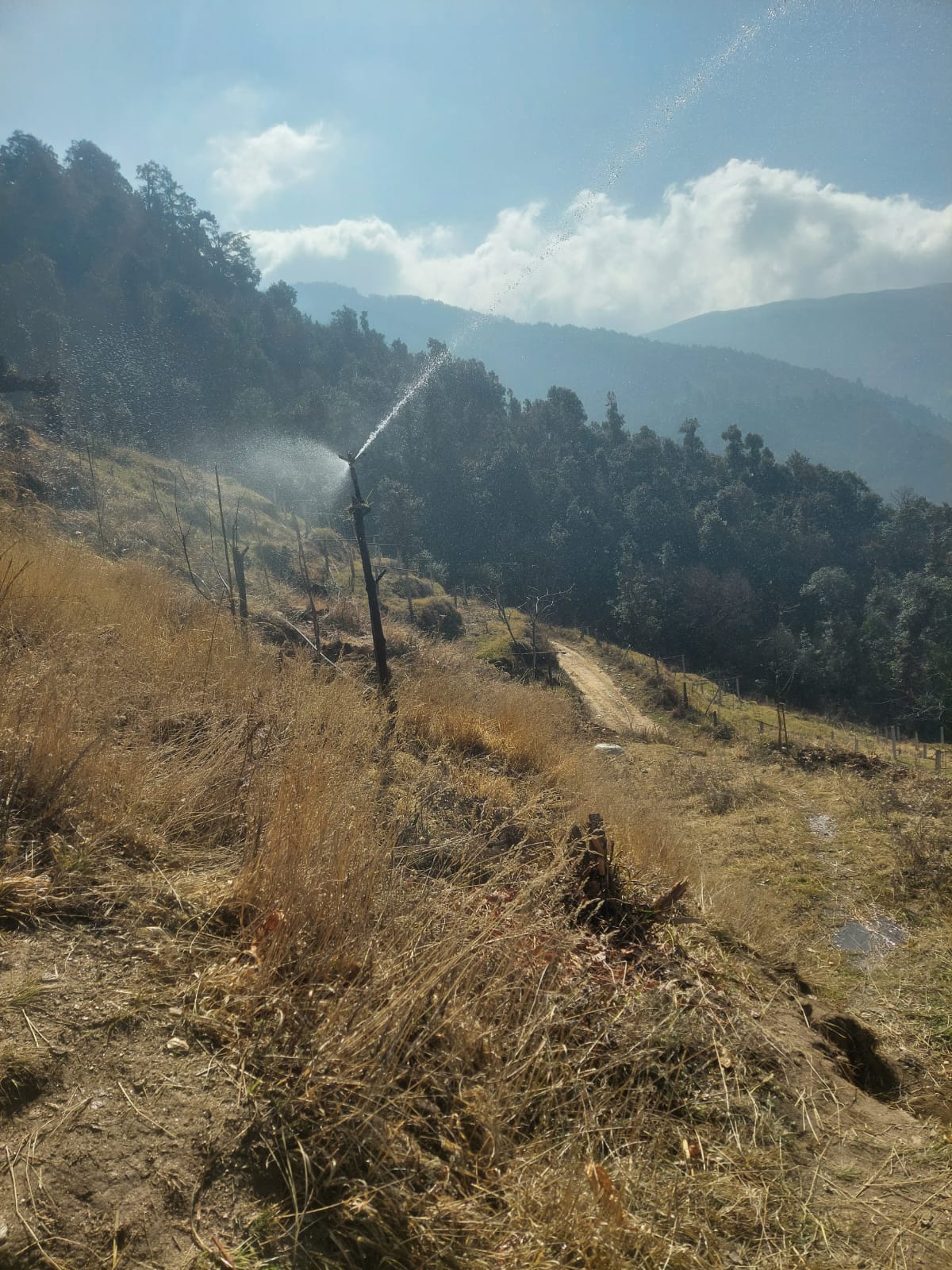
Bhussinga is one of our key reforestation and agroforestry sites in Nepal, located on the slopes below Pikey Peak in the lower Solu Khumbu (Everest) region, high above the surrounding valleys. In 2026, the project will deliver 10,000 trees across 15 hectares, combining fruit orchards with native reforestation to strengthen both the landscape and the local economy. The project focuses on restoring degraded land while supporting sustainable livelihoods.
Our approach combines:
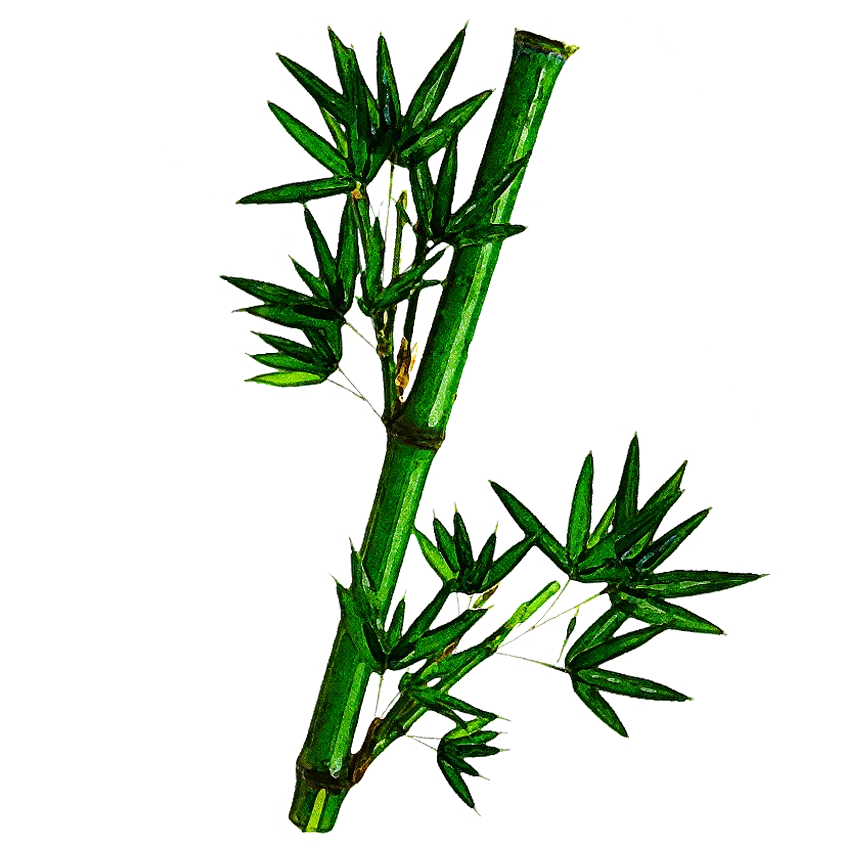
🌲 Native trees and bamboo to restore soils, biodiversity, and long-term carbon
🌳 Fruit trees to provide income and ensure long-term stewardship
This balanced model supports both environmental impact and community resilience.
🌍 Carbon & Environmental Impact
The project is part of a soil carbon programme with ONCRA (Open Natural Carbon Removal Accounting), an international, non-profit framework that measures, verifies, and issues certificates to validate carbon offsetting from nature-based projects. It follows a 12-year programme focused on increasing carbon stored in the soil through improved land management and tree planting.
The project has strong potential to increase carbon absorption through soil restoration, reforestation, and long-term stewardship.
Over time, it is expected to generate over 2,000 tonnes of carbon sequestration.
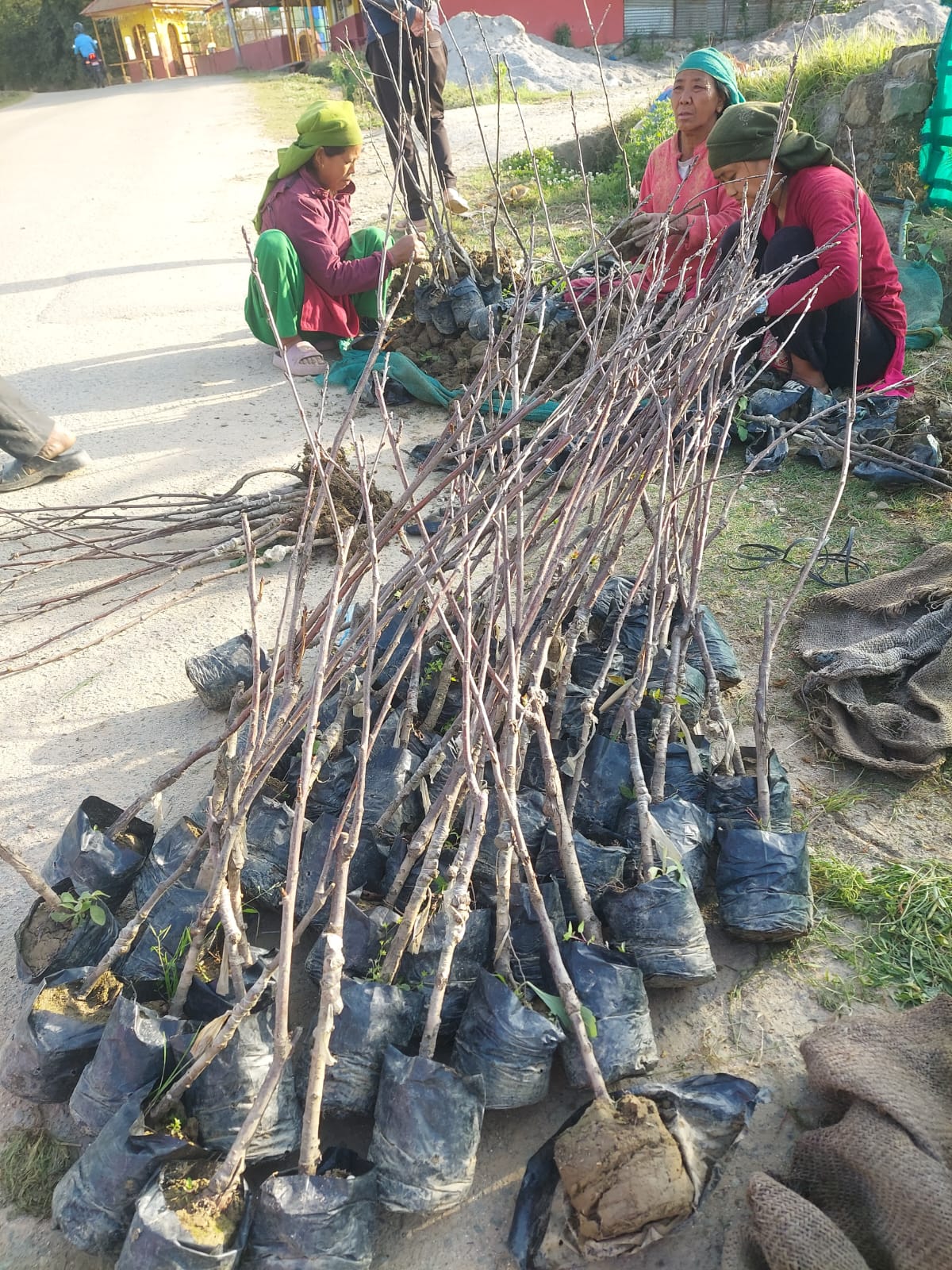
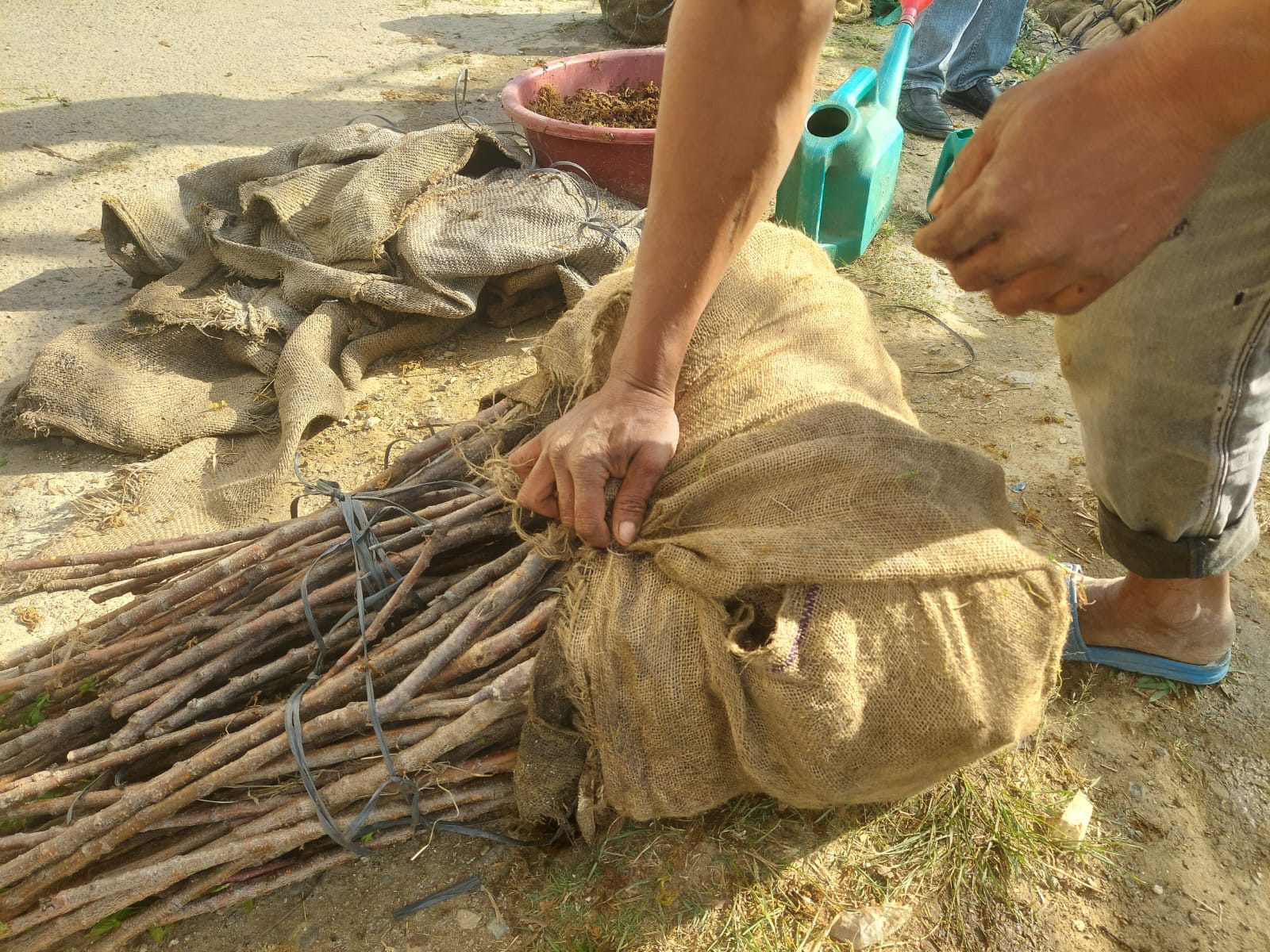
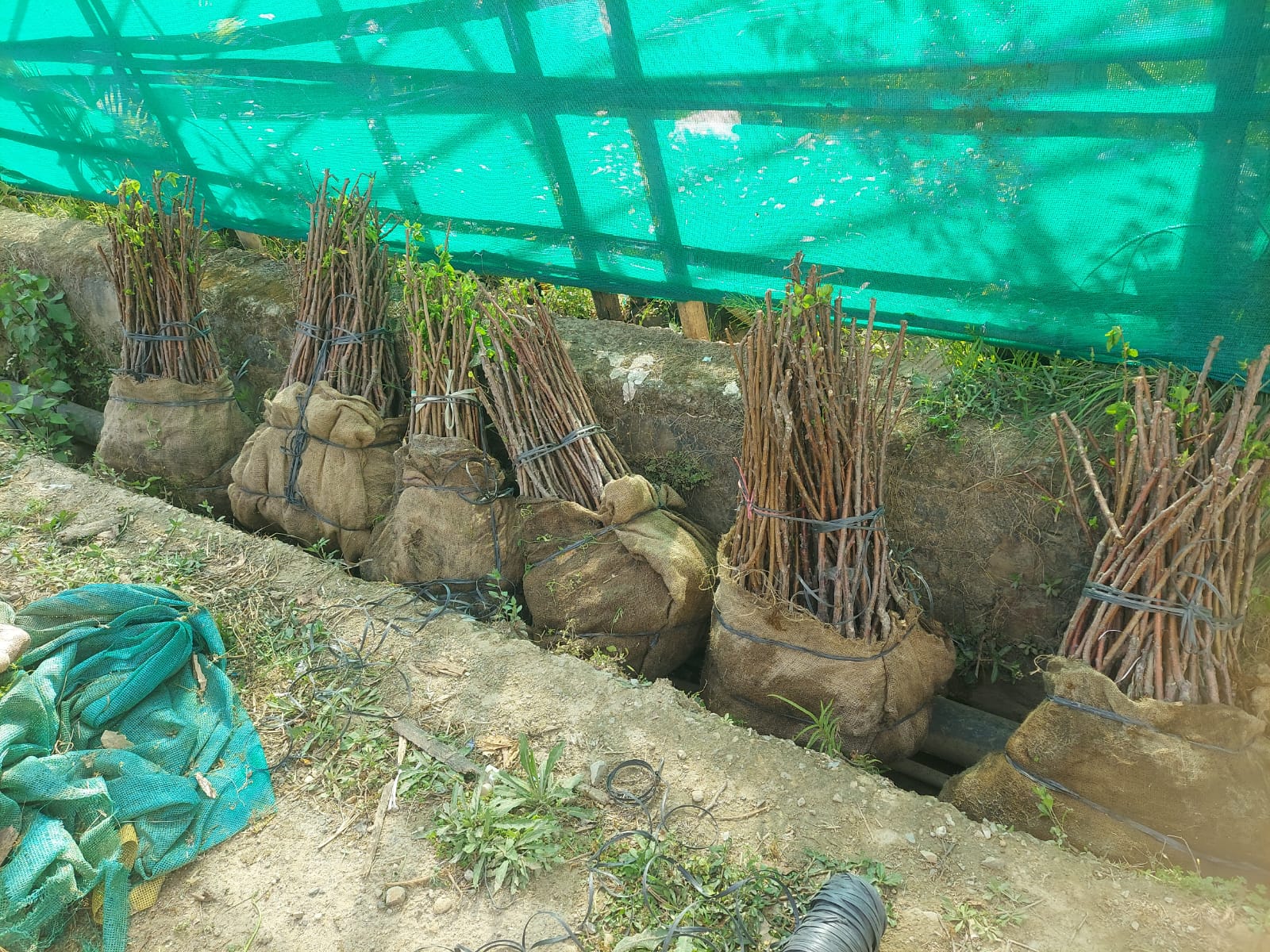
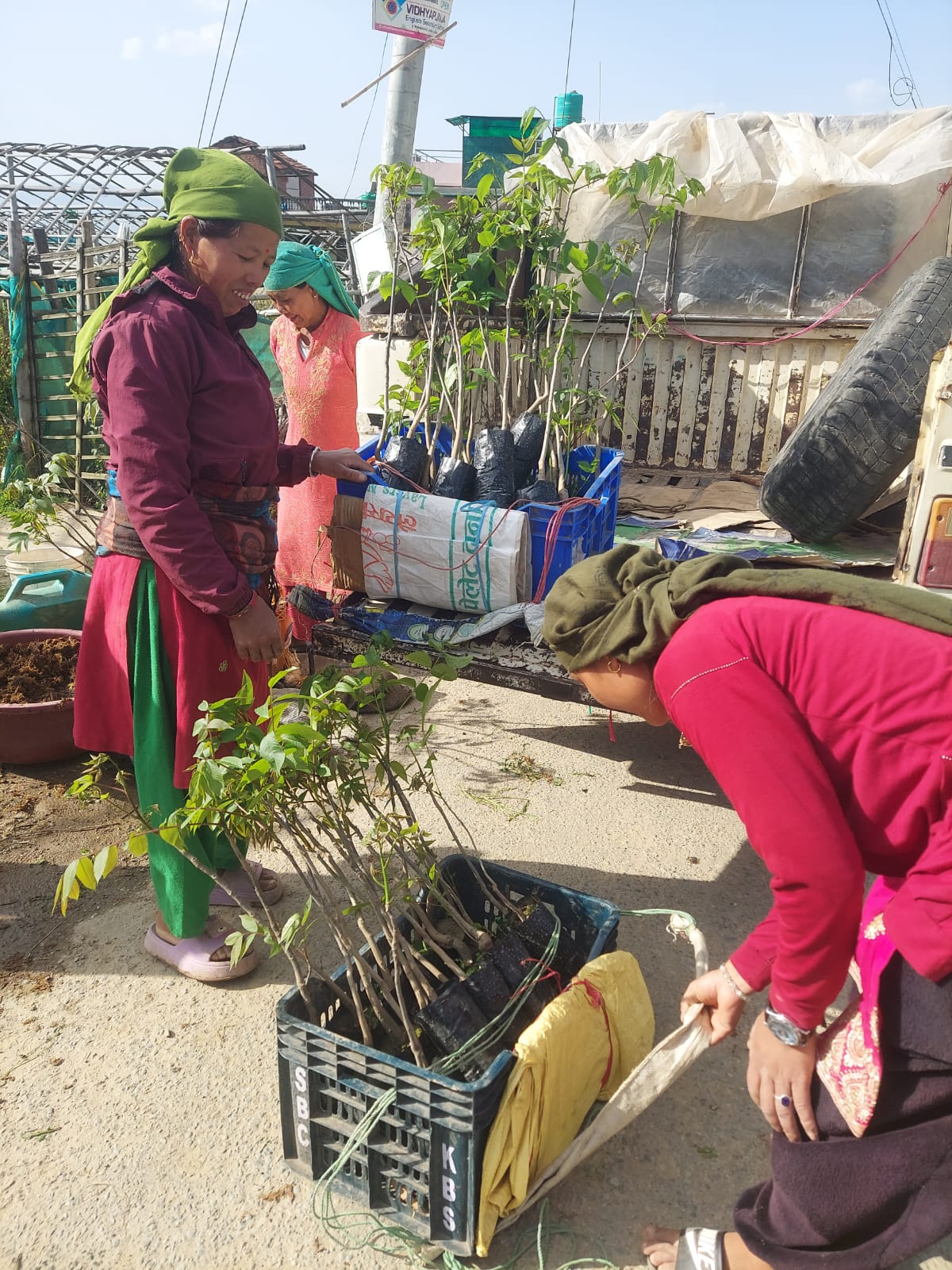
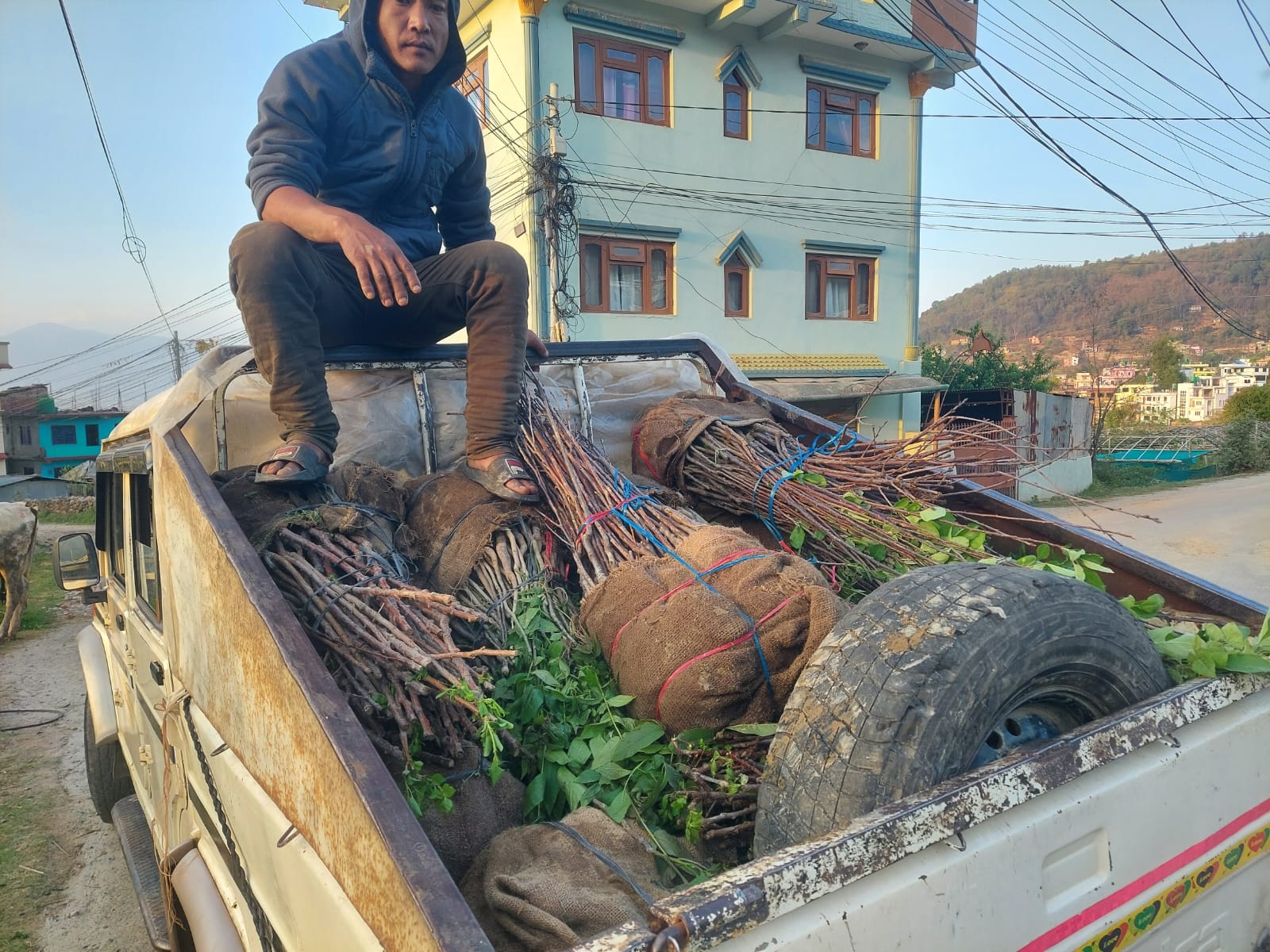
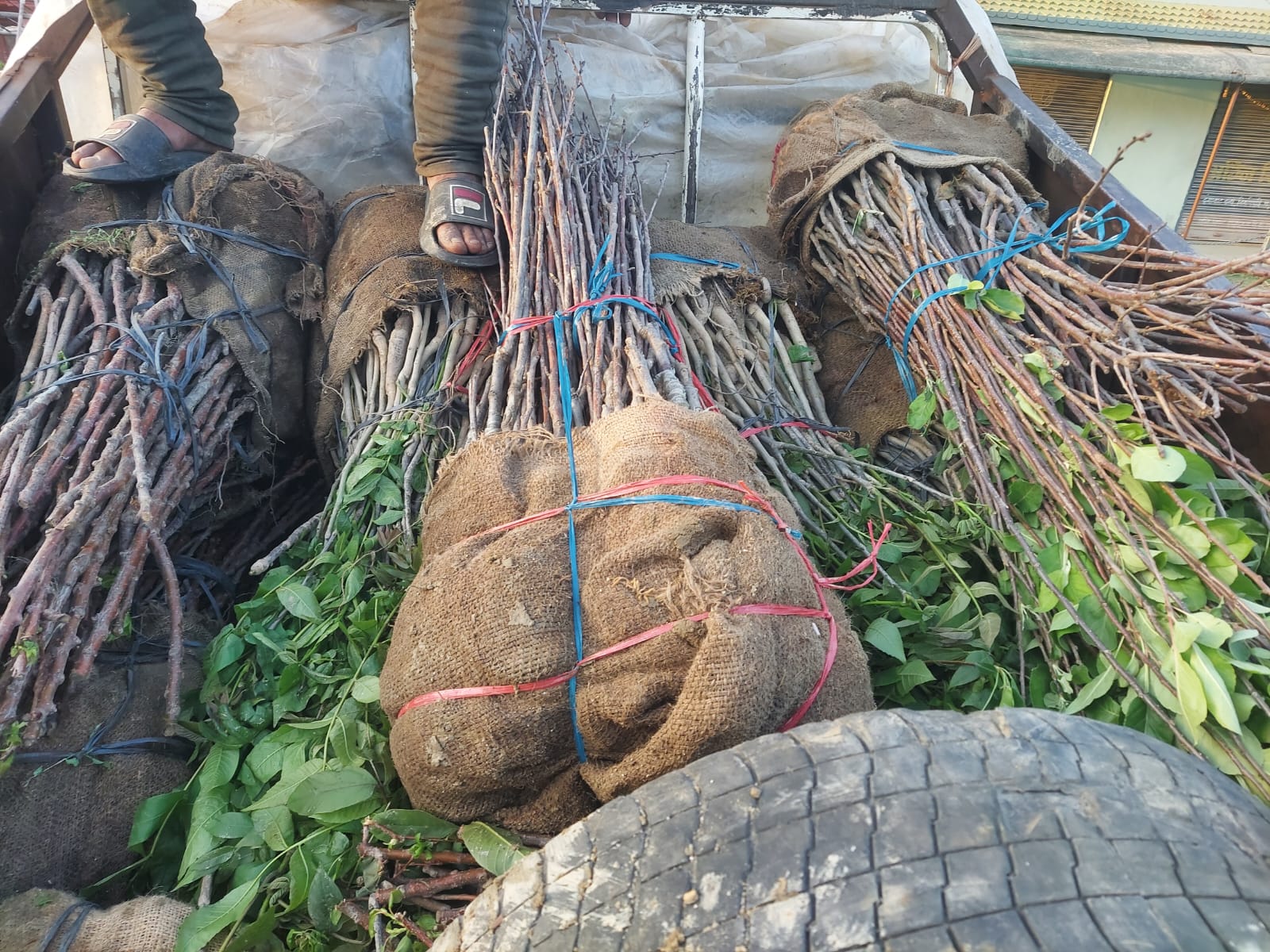
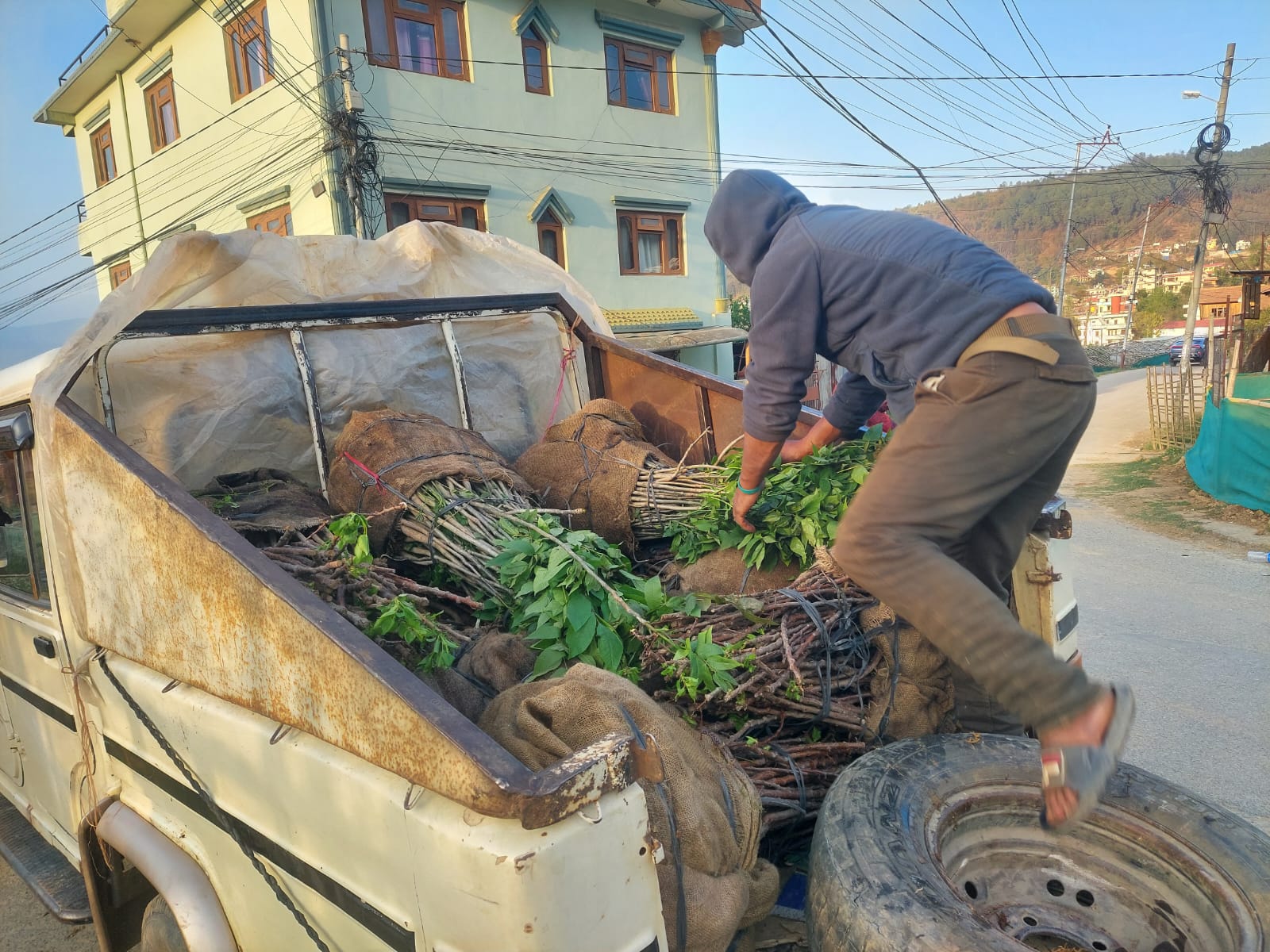
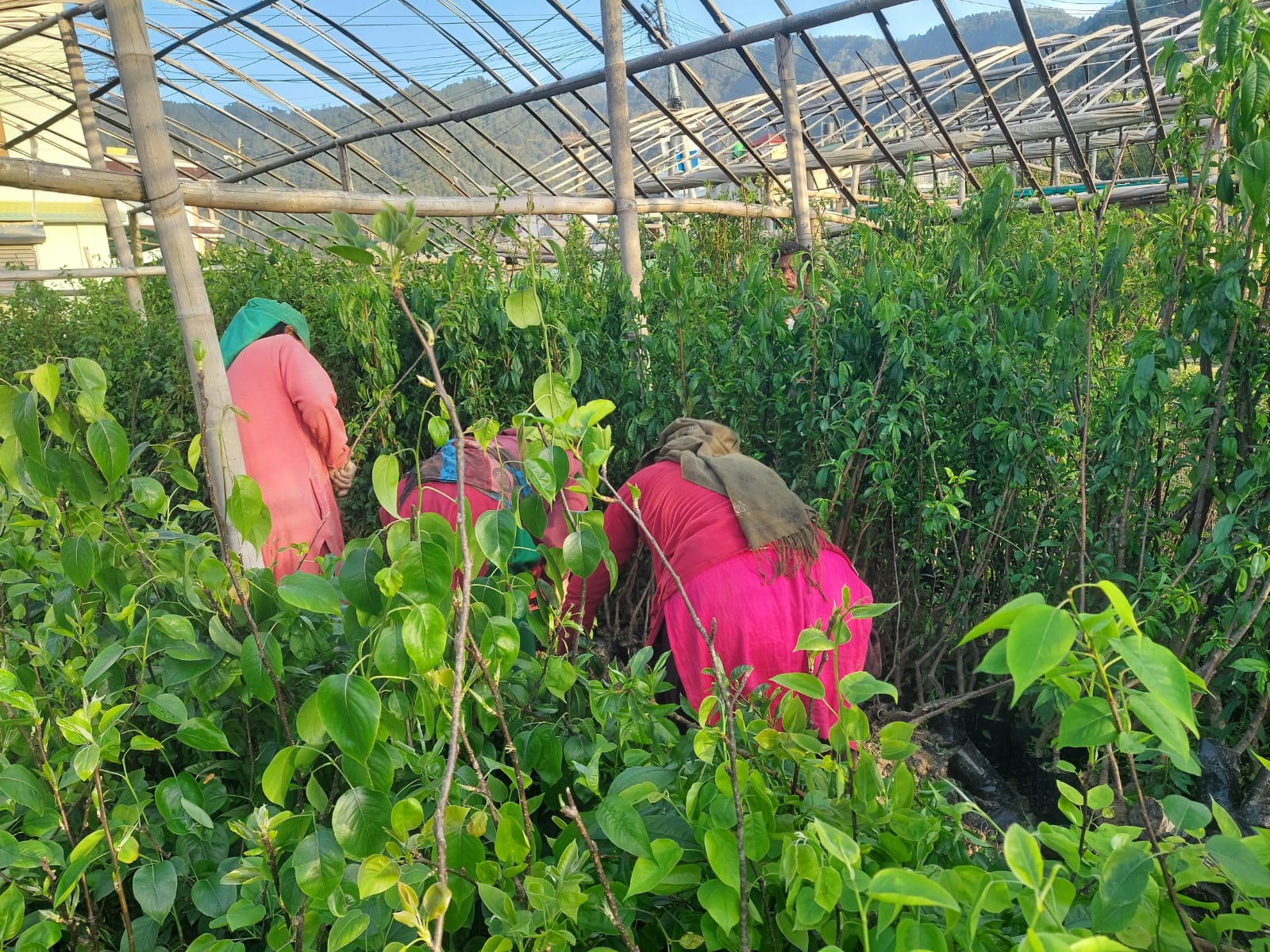
🌱 First trees delivered for planting
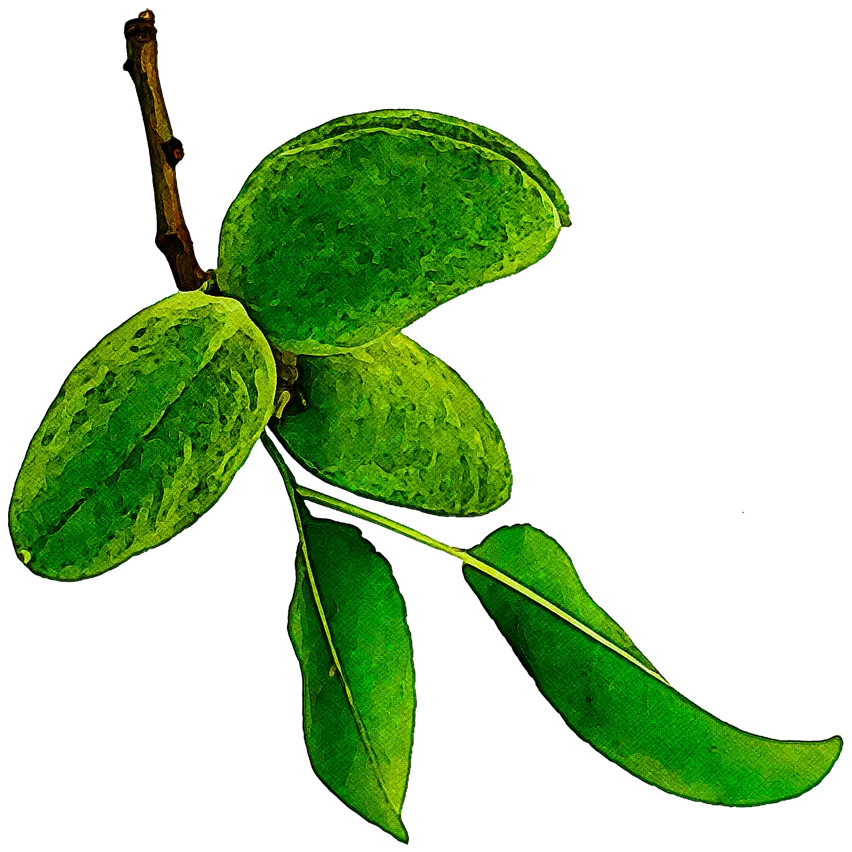
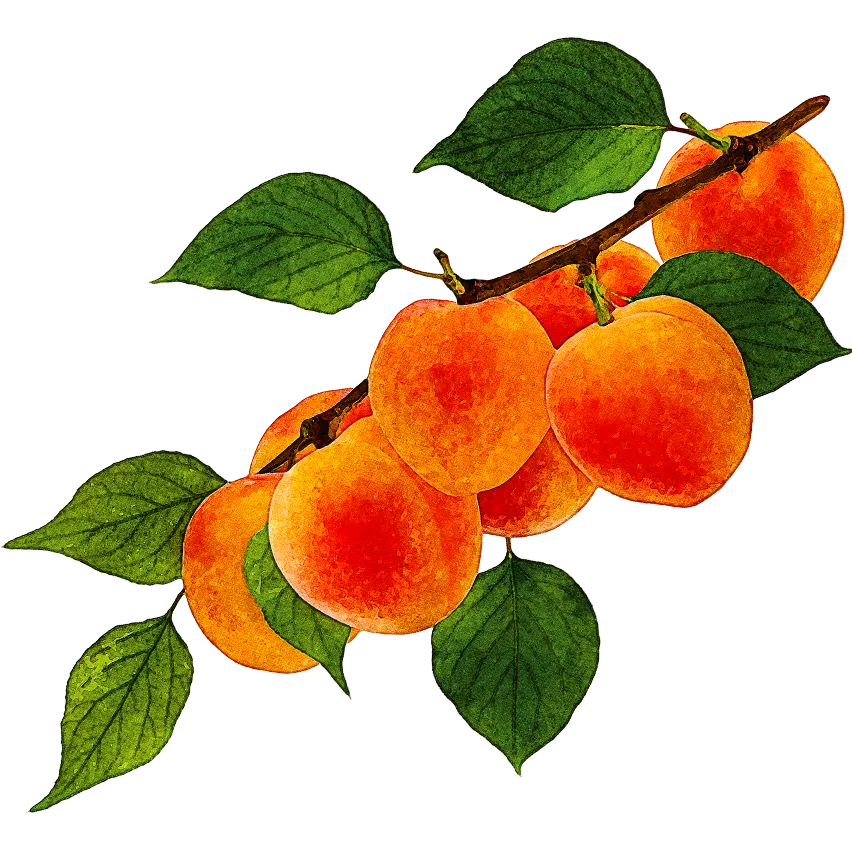
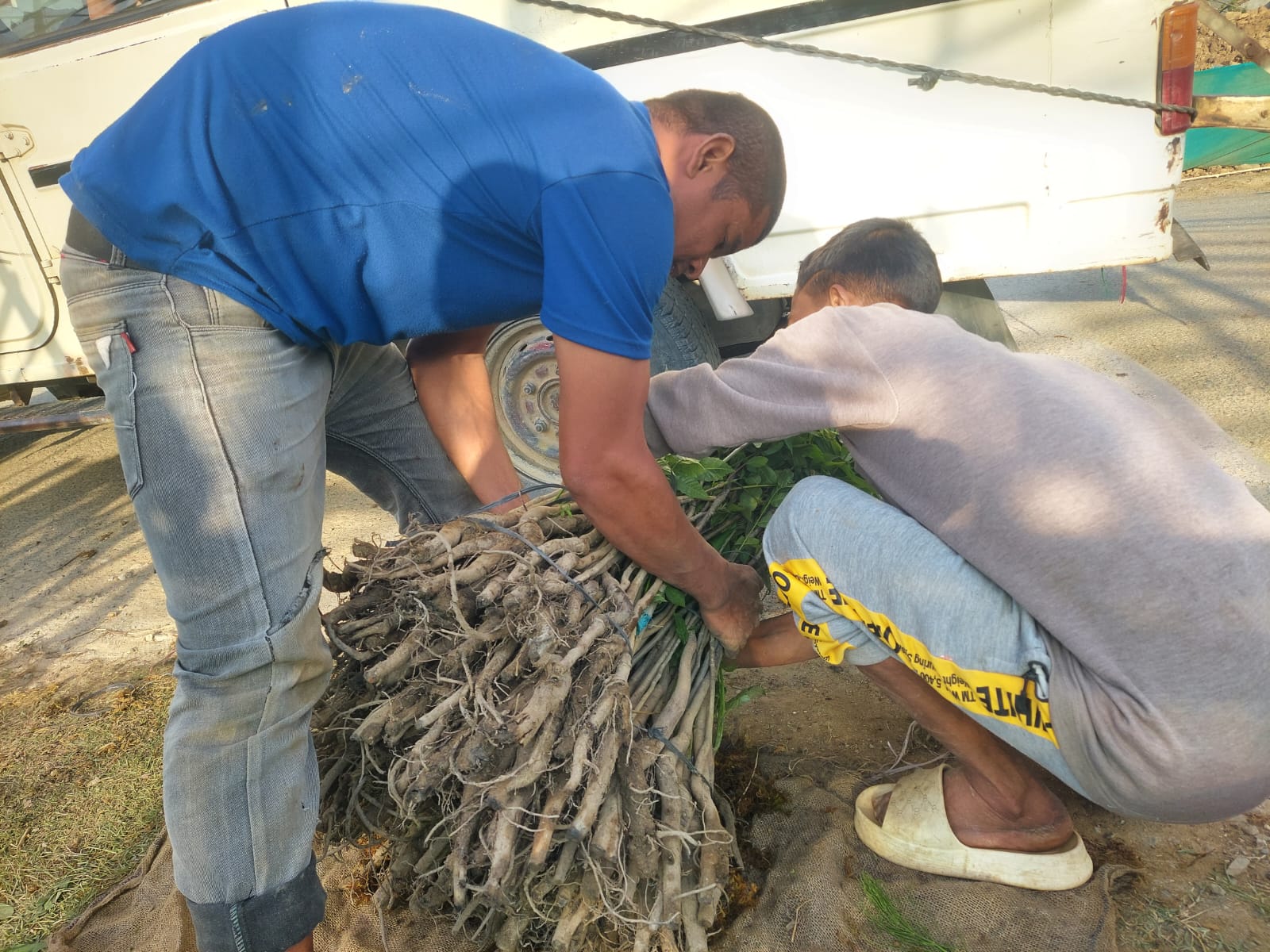
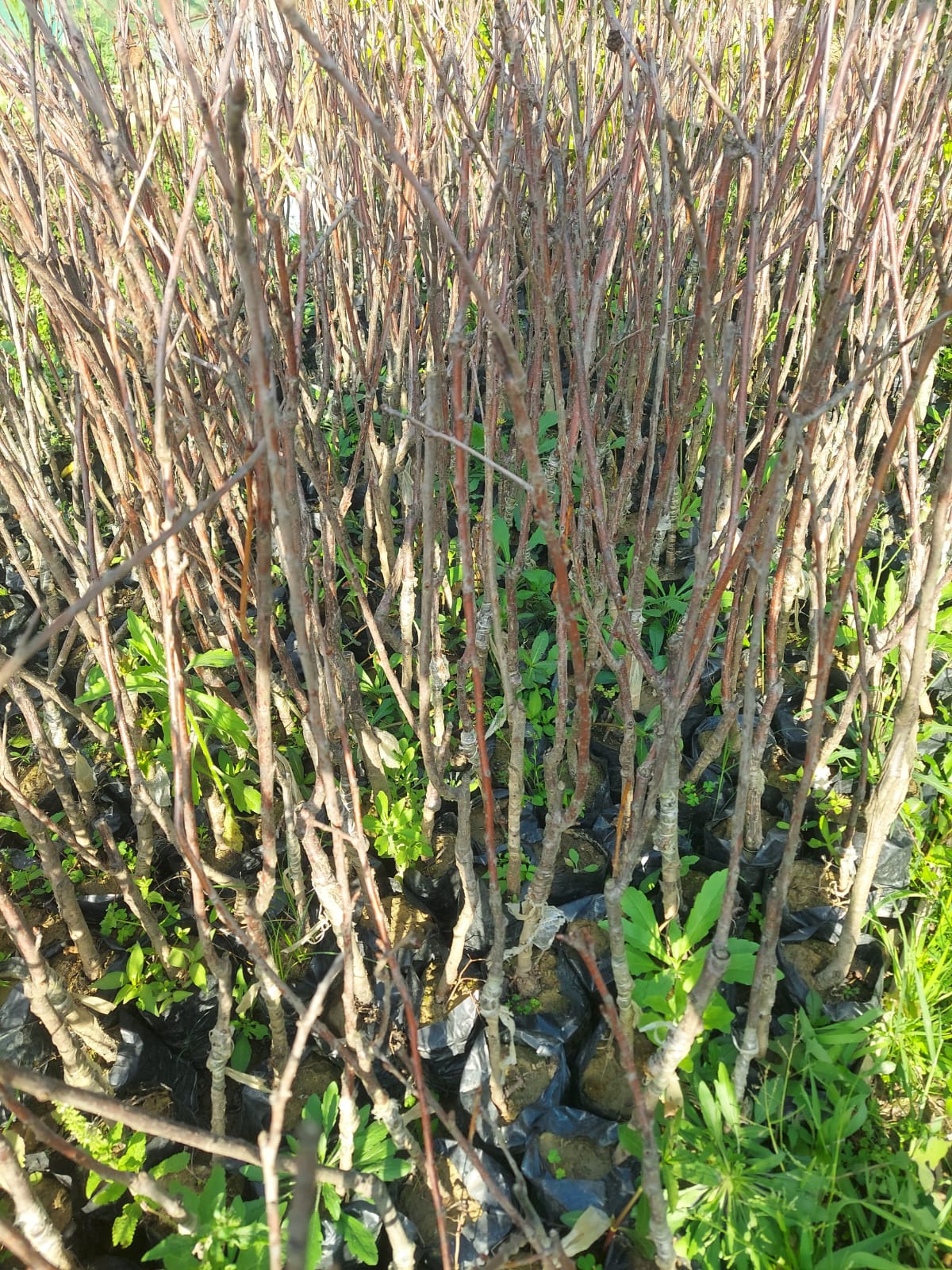
2,500 fruit saplings (1,000 apricot, 1,000 peach, 500 walnut)
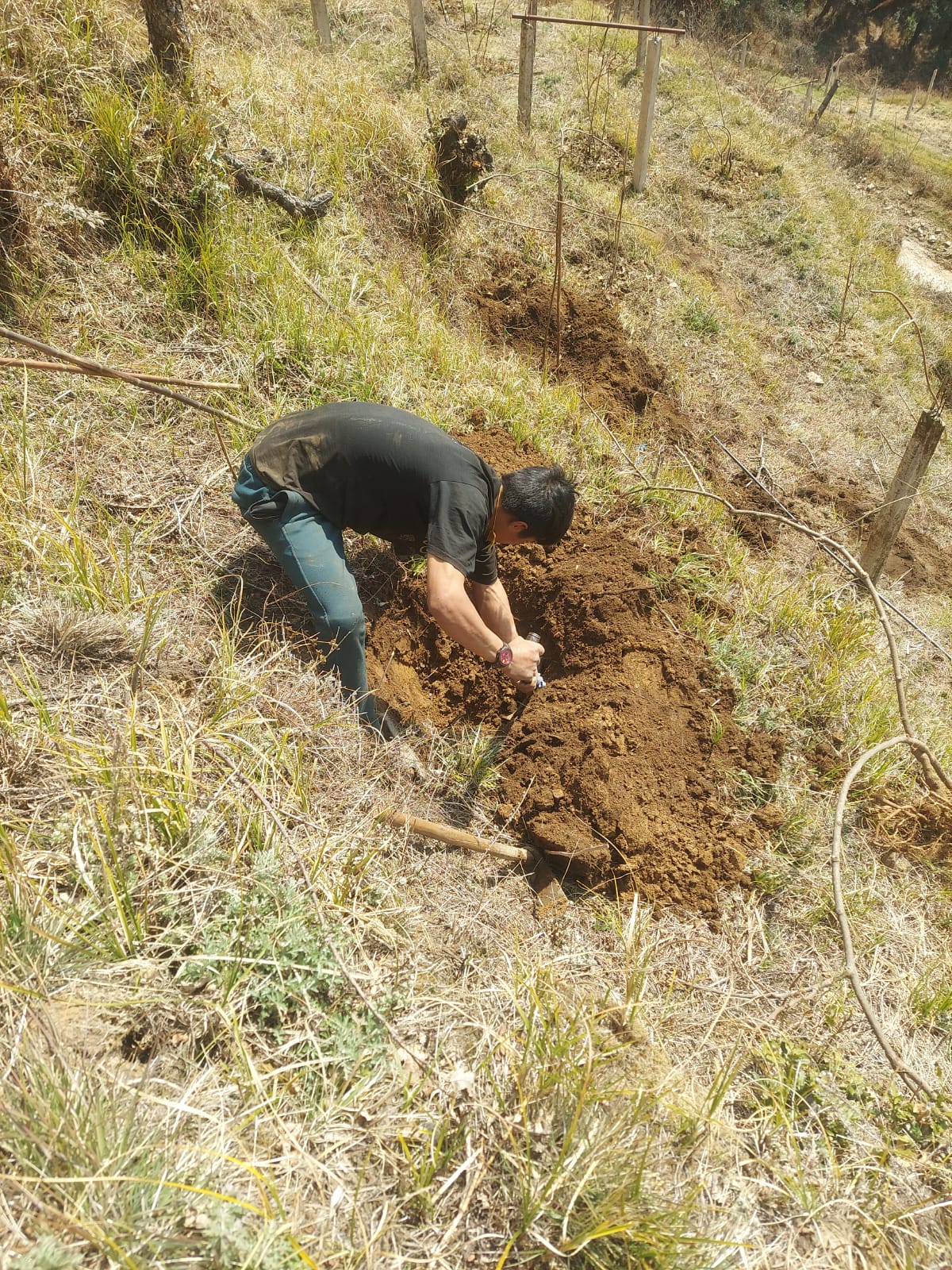
📅 Planting: 15–30 March 2026
🌲 5,000+ Native Pine and Bamboo for soil restoration and carbon
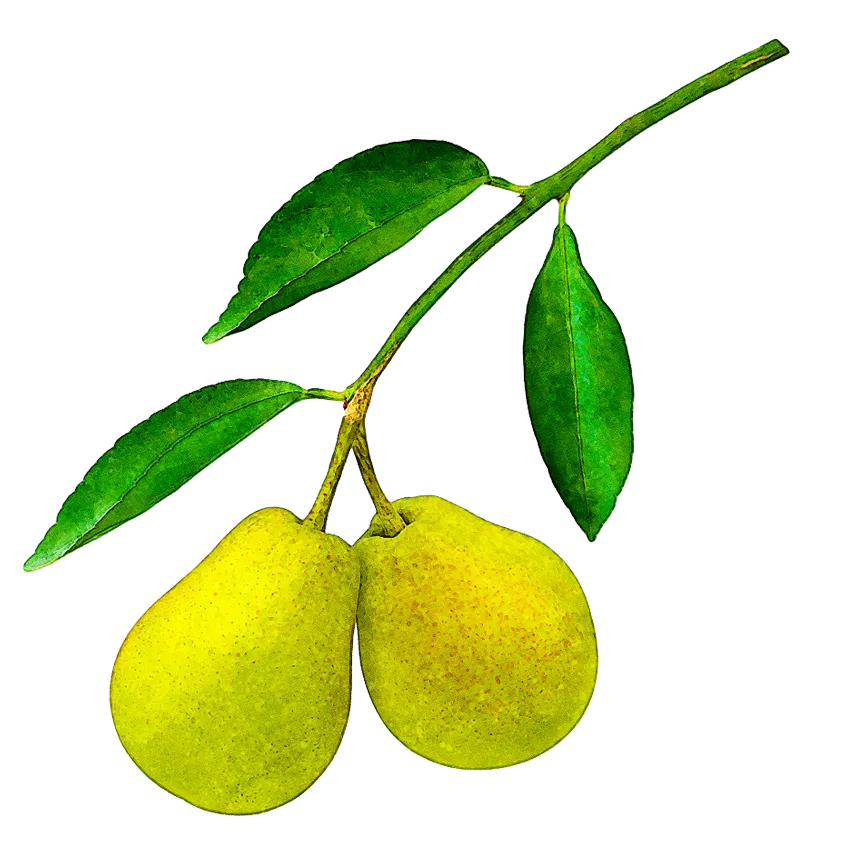
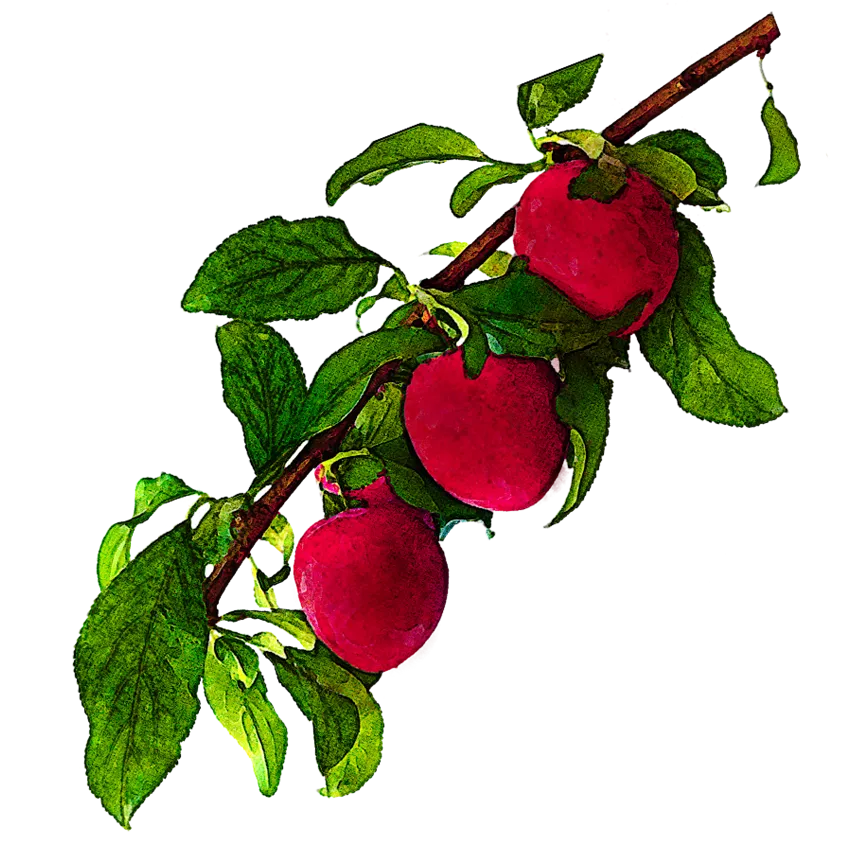
🌳 5,000+ Apricot, Peach, Pear & Kiwi orchards for livelihoods
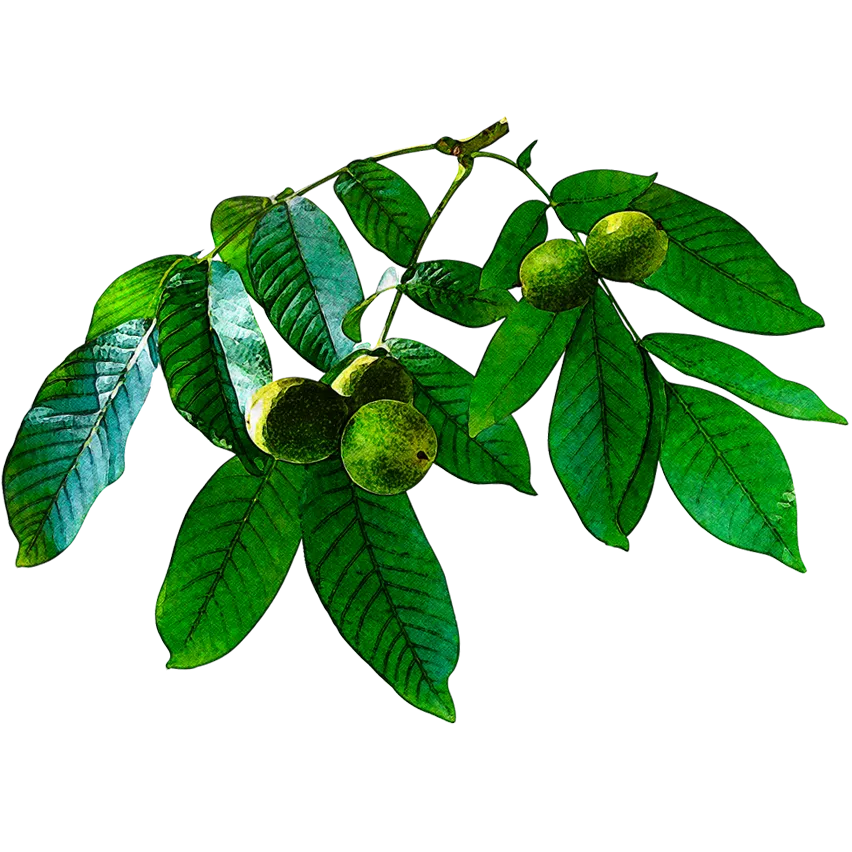
🌰 2,000+ Walnut & Almond for income and resilience